


Collagen gets a lot of glow-up hype—but what actually works for smoother, firmer skin as we age? Here’s the no-fluff, science-checked guide from NorysForge on collagen myths, truths, and smarter anti-aging moves.

The Science Behind Collagen and Skin Aging
Collagen is the skin’s structural backbone, driving firmness and elasticity. With age, production declines and existing collagen breaks down faster. The body’s collagen replenishment ability drops by about 1% per year, with sharper declines after age 60 and a notable dip post-menopause—key drivers of wrinkles and sagging (Cleveland Clinic, n.d.; Hindawi, 2024). Reduced collagen plus lower skin vascularity directly links to reduced elasticity, wrinkle formation, and sagging (PMC, 2023).
Myth vs. Truth: Can Oral Collagen Reverse Wrinkles?
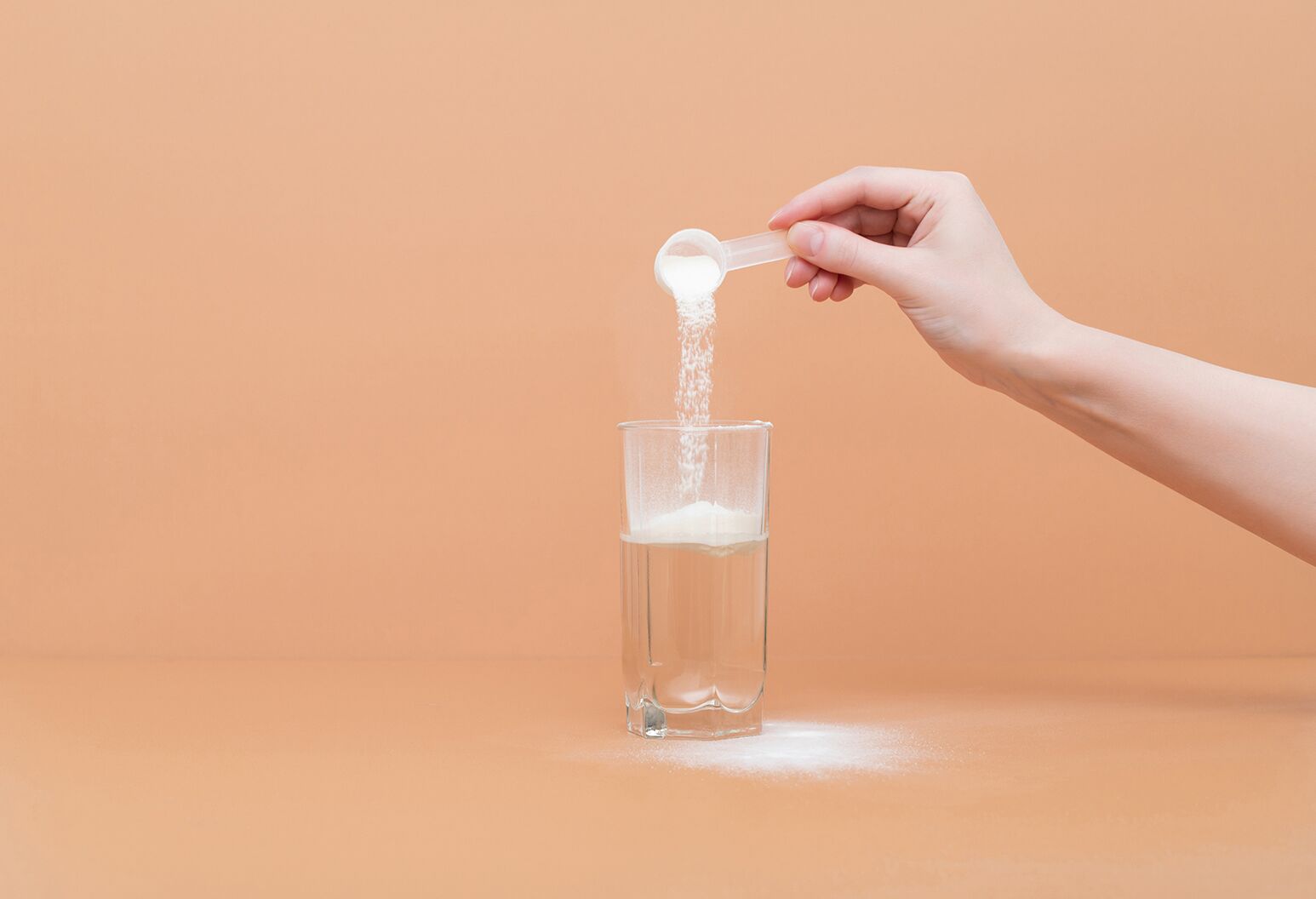
The promise: collagen powders, shots, and gummies as a “fountain of youth.” The reality: the science is more nuanced than the marketing (McGill Office for Science and Society, n.d.; Harvard Health Publishing, 2023).
What Research Actually Shows
A systematic review and meta-analysis of 26 randomized controlled trials (n = 1,721) found hydrolyzed collagen improved skin hydration and elasticity vs. placebo. Hydration improved with an overall effect size of 0.63 (95% CI 0.38, 0.88; p < 0.00001); elasticity also improved significantly (PMC, 2023). In one trial, 1 g/day of hydrolyzed chicken sternal cartilage for 12 weeks increased skin hydration by 12.5% between weeks 6 and 12 (PMC, 2023).
Why the Hype Outruns the Data
- Digestion problem: proteins are broken into peptides; whether these fragments meaningfully rebuild skin collagen remains uncertain (Harvard Health Publishing, 2023; McGill Office for Science and Society, n.d.).
- Formulation noise: many products add vitamins, antioxidants, hyaluronic acid, CoQ10, or chondroitin, making it hard to credit collagen alone (Harvard Health Publishing, 2023).
- Study quality: many trials are small, short, and may have conflicts of interest; larger, longer RCTs are needed (Harvard Health Publishing, 2023; McGill Office for Science and Society, n.d.).
- Source variability and timeline: results vary by collagen source and duration; meaningful effects tend to appear after 8+ weeks (PMC, 2023).
Proven Alternatives: Stronger Evidence Than Oral Collagen
- Topical retinoids: Vitamin A derivatives (especially prescription tretinoin) stimulate collagen production and reduce fine lines, wrinkles, and discoloration with robust clinical support (Harvard Health Publishing, 2023; McGill Office for Science and Society, n.d.).
- Sun protection: UV exposure directly damages collagen. Daily SPF 30+, wide-brim hats, UV-blocking sunglasses, and lightweight long sleeves are foundational anti-aging moves (Cleveland Clinic, n.d.).
Practical Game Plan (Evidence-First)
- If you choose collagen: pick hydrolyzed collagen, be patient (8–12 weeks), and check labels for add-ins so you know what might be doing what (Harvard Health Publishing, 2023; PMC, 2023).
- For proven results: adopt daily SPF 30+ and discuss a retinoid (tretinoin or an OTC retinol) with your dermatologist (Harvard Health Publishing, 2023; Cleveland Clinic, n.d.).
- Lifestyle wins: steady protein intake, resistance training, sleep, and UV-smart habits support overall skin and connective-tissue health (Cleveland Clinic, n.d.).

Key Takeaways
- Collagen naturally declines (~1%/year), accelerating after 60 and post-menopause (Cleveland Clinic, n.d.; Hindawi, 2024).
- Hydrolyzed collagen shows modest improvements in hydration and elasticity in RCTs, with benefits typically after 8+ weeks (PMC, 2023).
- Digestion, mixed formulations, and variable study quality limit certainty about collagen’s direct impact (Harvard Health Publishing, 2023; McGill Office for Science and Society, n.d.).
- Retinoids and sun protection have stronger, more consistent evidence for visible anti-aging results (Harvard Health Publishing, 2023; Cleveland Clinic, n.d.).
Conclusion
Bottom line: Oral collagen can offer modest, time-dependent boosts in skin hydration and elasticity, but it’s not a miracle fix. For the most proven anti-aging strategy, build your routine on SPF and retinoids—and layer collagen on top only if you’re cool with gradual, uncertain returns (PMC, 2023; Harvard Health Publishing, 2023).
Ready to level up your routine the evidence-first way? Follow NorysForge for science-backed performance nutrition and skin-support tips that actually move the needle.
Sources used
- Cleveland Clinic. (n.d.). Collagen. https://my.clevelandclinic.org/health/articles/23089-collagen
- Harvard Health Publishing. (2023, April 12). Considering collagen drinks and supplements. https://www.health.harvard.edu/blog/considering-collagen-drinks-and-supplements-202304122911
- McGill Office for Science and Society. (n.d.). Collagen and the battle against skin aging. https://www.mcgill.ca/oss/article/student-contributors-general-science/collagen-and-battle-against-skin-aging
- Hindawi. (2024). Collagen and aging skin (review). https://onlinelibrary.wiley.com/doi/10.1155/2024/8752787
- PMC. (2023). Hydrolyzed collagen for skin hydration and elasticity: A systematic review and meta-analysis. https://pmc.ncbi.nlm.nih.gov/articles/PMC10180699/